



Explore the High Arctic in Svalbard
Glaciers, tundra, walrus, whales, seabirds and the possibility of polar bears make Svalbard one of the world's great Arctic expedition destinations. We first explored the archipelago with Aurora Expeditions in 2023 and are returning in 2027, bringing firsthand perspective to the ships, wildlife, Zodiac operations and flexible style of travel that define a Svalbard expedition.
Svalbard Has Its Own Wildlife, Landscape and Rhythm
It is easy to group all polar travel together, but Svalbard is distinctly Arctic. Instead of penguin colonies, travelers may encounter walrus hauled out on beaches, Svalbard reindeer grazing on tundra, Arctic fox, whales, enormous seabird colonies and the possibility of seeing polar bears. The landscape mixes mountains, glaciers, fjords, sea ice and vast open tundra beneath the Arctic summer's long daylight.
Svalbard Rewards Flexibility
Wildlife Drives the Day
Expedition teams watch conditions and wildlife activity constantly. A sighting may create an opportunity that was not part of the morning's original plan.
Glaciers and Fjords
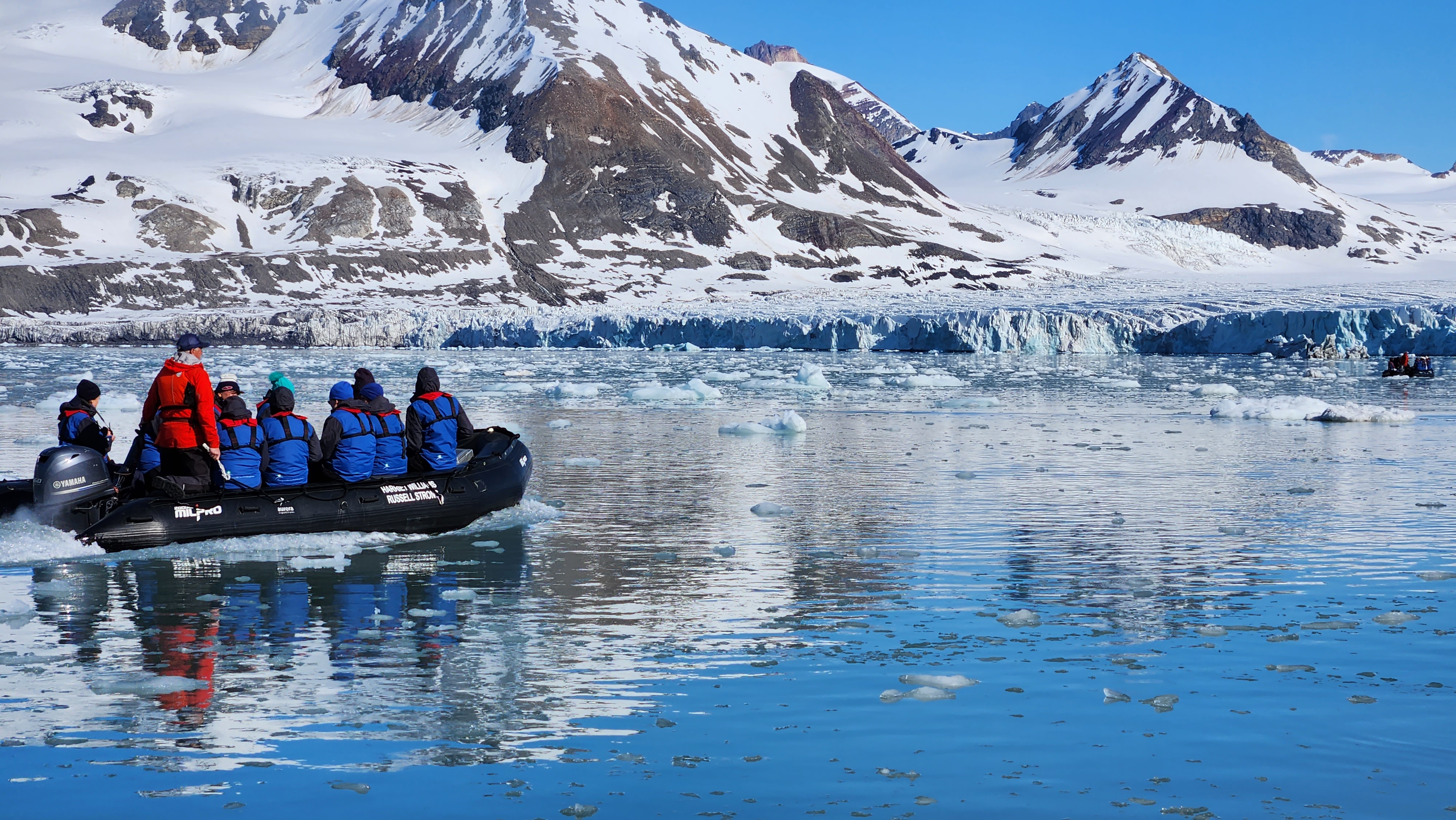
Svalbard's coastline is filled with dramatic mountains, glaciers and fjords that are best appreciated from both the expedition ship and small Zodiac boats.
Remote Landings
Tundra walks, historic sites, wildlife areas and beaches can provide an intimate sense of a landscape with very little conventional tourism infrastructure.
Midnight Sun
Summer brings extremely long daylight, allowing expedition teams to take advantage of opportunities well beyond the hours of a normal sightseeing schedule.
Expedition Specialists
Naturalists, historians, wildlife specialists and other expedition staff help travelers understand the environment rather than simply observe it.
Nature Sets the Itinerary
Ice, weather, wildlife and sea conditions determine what is possible. That uncertainty is not a flaw in the expedition; it is part of the experience.
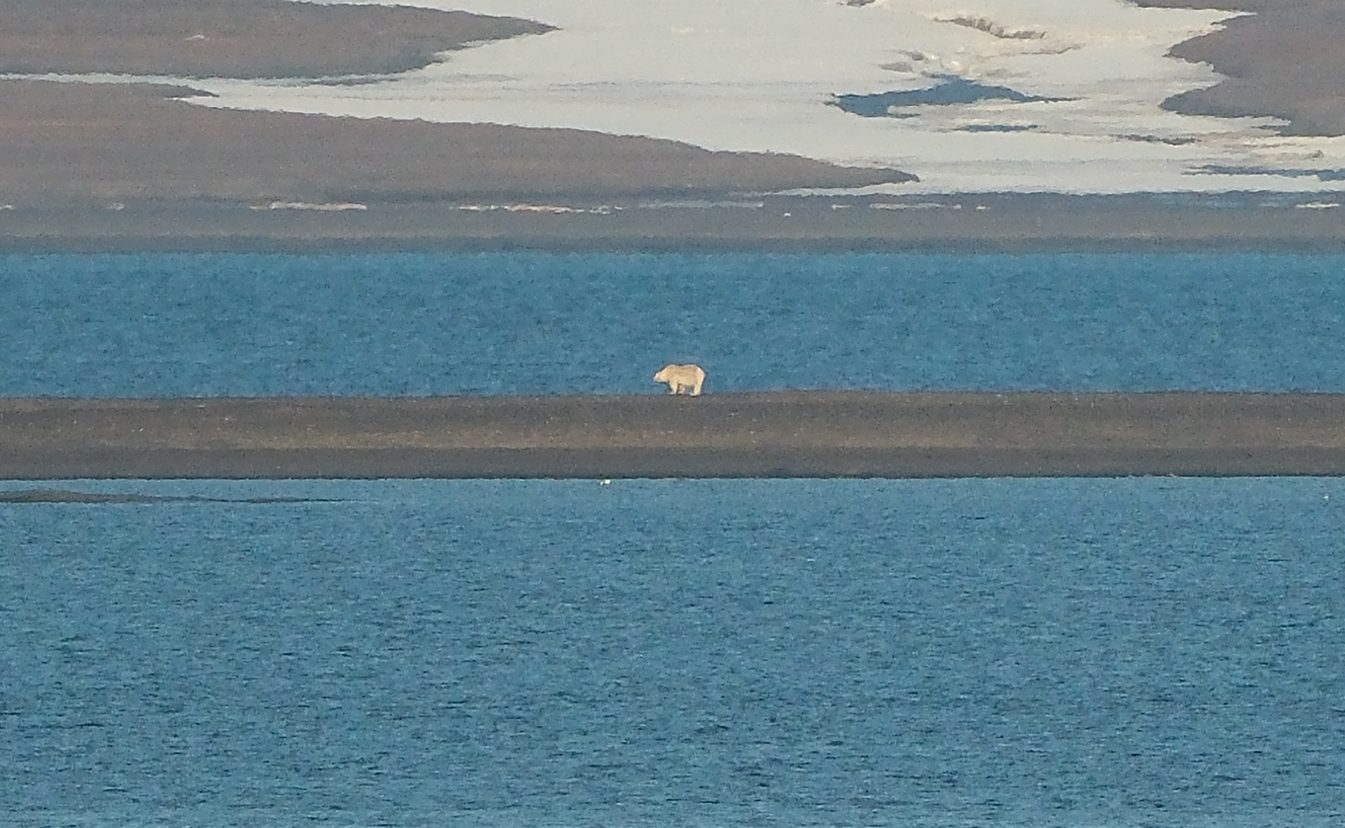
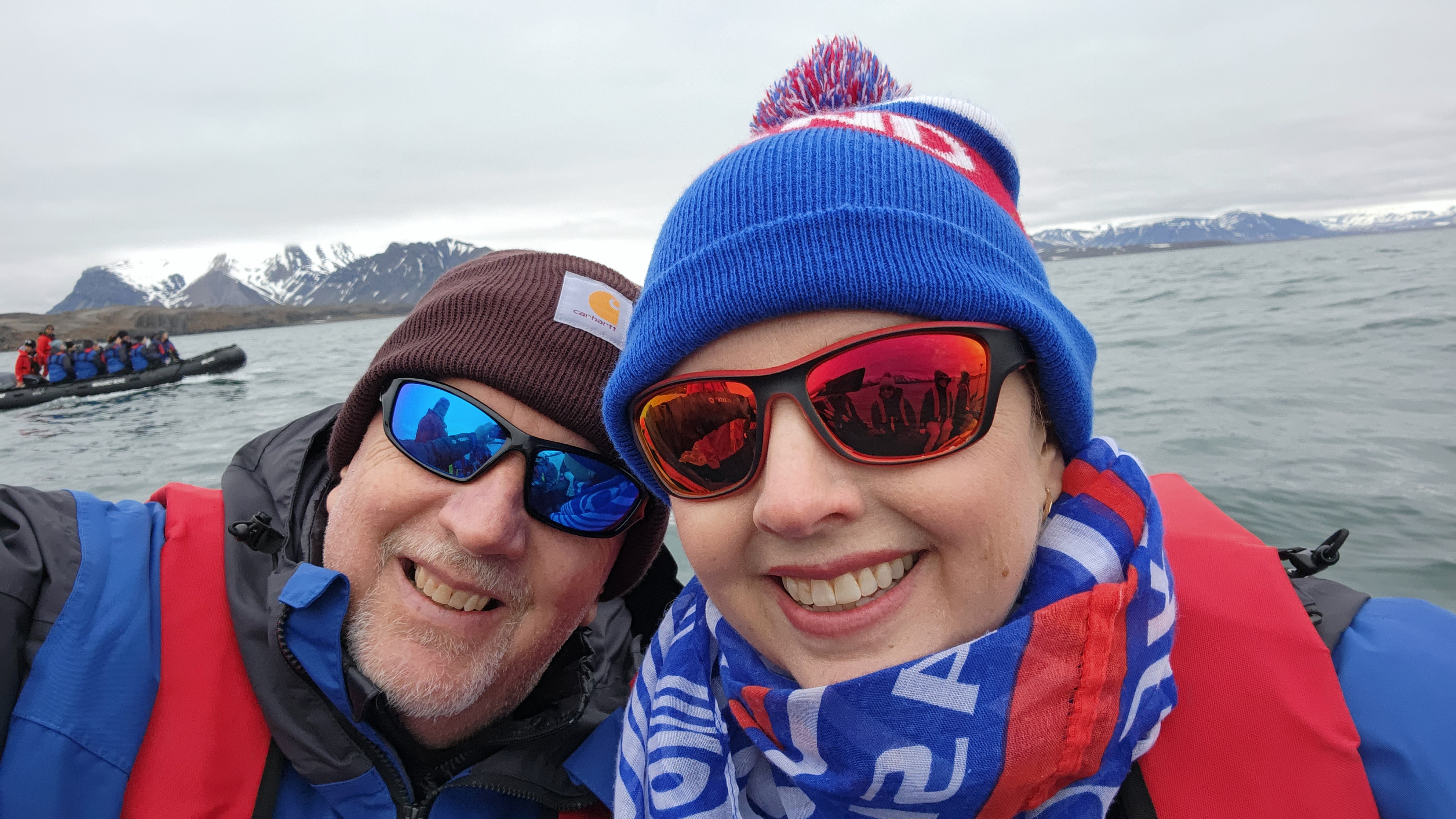
Scenes from our 2023 Svalbard journey.
What Might You See in Svalbard?
Wildlife is never guaranteed, but choosing the right region, season and expedition style creates opportunities to search for some remarkable Arctic species.
Polar Bears
Polar bears are one of Svalbard's iconic species and a major reason many travelers choose the region. Sightings are never guaranteed and may happen at considerable distance.
Walrus
Walrus may be encountered in the water or gathered at coastal haul-out areas, providing one of the Arctic's most memorable wildlife experiences.
Whales
Several whale species may be encountered around the archipelago, with location and timing influencing the opportunities.
Svalbard Reindeer
These compact Arctic reindeer are unique to Svalbard and may be seen feeding across the tundra.
Arctic Fox
Arctic fox are smaller and often more difficult to spot, but they are an important part of the Svalbard ecosystem.
Seabirds
Cliffs and coastal areas can support tremendous numbers of nesting seabirds during the Arctic summer.
Svalbard In Depth With Aurora Expeditions
In 2023 we spent 14 nights exploring Svalbard aboard Aurora Expeditions' Sylvia Earle. The voyage gave us firsthand experience with daily Zodiac operations, expedition landings, wildlife searches, long Arctic days and the reality that a polar itinerary can change whenever conditions create a better opportunity.
That experience is also part of a broader Arctic background that includes Greenland, the Canadian Arctic and a 29-day journey through the Northwest Passage.
Explore our complete cruise historyOur Arctic Expedition Experience
- 2023 - Svalbard In Depth
- 2023 - Greenland and Canadian Arctic
- 2025 - Northwest Passage
- 2027 - Returning to Svalbard
- Aurora Expeditions and Silversea expedition ships
The Best Svalbard Itinerary May Be the One That Changes
A Flexible Expedition
Wildlife movement, sea ice, weather and local conditions can influence where the ship goes and what activities are possible. Expedition leaders use the published itinerary as a framework while looking for the best opportunities the Arctic provides.
Why That Matters
Travelers accustomed to checking off a fixed list of ports may need a different mindset. In Svalbard, an unexpected wildlife encounter, ice-filled fjord or exceptional landing can be far more memorable than following a schedule simply because it was printed months earlier.
When Should You Cruise Svalbard?
The main expedition season follows the Arctic summer, but scenery, ice and wildlife opportunities evolve as the season progresses.
Early Summer
Earlier departures can encounter more snow and sea ice, creating dramatic polar scenery as the Arctic emerges from winter.
Mid-Summer
Long daylight, active wildlife, accessible landing sites and generally broader exploration opportunities make this a popular period for Svalbard expeditions.
Later Summer
Retreating ice can open access to different areas while the tundra and wildlife continue to evolve toward the end of the expedition season.
How Active Is a Svalbard Expedition?
Zodiac Transfers
Reasonable balance and mobility are useful when boarding and exiting small boats, even with assistance from expedition staff.
Uneven Terrain
Landings may involve tundra, rocks, beaches, wet surfaces and ground with no established path.
Different Walking Levels
Many landings provide choices ranging from shorter walks to more active hikes, depending on terrain and expedition plans.
Weather Matters
Wind and cold can make a simple outing feel more demanding than a similar walk in ordinary conditions.
Optional Activities
Kayaking and other specialty activities may have additional physical requirements and participation limits.
Discuss Limitations Early
If mobility is a concern, it is best to discuss it before choosing the ship so we can compare what participation may realistically look like.
How Does Svalbard Compare With Other Arctic Expeditions?
Svalbard
A strong choice for travelers drawn to polar wildlife, glaciers, fjords and flexible ship-based exploration within a relatively concentrated Arctic archipelago.
Greenland and Canadian Arctic
These voyages can add enormous landscapes, remote communities, Inuit culture and a different combination of wildlife and geography.
Northwest Passage
A longer expedition through the Canadian Arctic combines remote geography, exploration history, wildlife, communities and the challenge of navigating a legendary Arctic route.
Choosing a Svalbard Expedition Ship
The destination may be the star, but ship size, expedition philosophy, accommodations and included activities can significantly change the experience.
Ship Size
Smaller expedition vessels can create a more intimate atmosphere and may help move travelers efficiently through Zodiac and landing operations.
Adventure Versus Luxury
Some ships emphasize expedition activity above nearly everything else, while others combine serious polar capability with luxury accommodations and elevated dining.
Observation Areas
Outdoor decks, lounges and easy access to viewing areas become especially important when wildlife may appear with little warning.
Expedition Team
The experience and operating style of the expedition staff influence wildlife searches, landings, lectures and how the day's opportunities are used.
Included Gear and Activities
Boots, outerwear, kayaking, photography programs, transfers and other inclusions vary among expedition operators.
Cabin Comfort
After cold or wet outings, practical storage, drying space, cabin comfort and a warm ship become much more meaningful than they might on a conventional cruise.
Svalbard Odyssey - June 24, 2027
Suzanne and Steve are returning to Svalbard with Aurora Expeditions for a 10-night Svalbard Odyssey expedition. The overall program operates roundtrip from Oslo and provides another opportunity to explore this extraordinary Arctic environment by expedition ship.
The dedicated voyage page contains current itinerary, pricing and booking information. This evergreen page is designed to help travelers first understand whether Svalbard itself is the right expedition destination.
Explore our 2027 Svalbard expeditionWhy We Are Going Back
- Wildlife makes every expedition different
- No two seasons have identical ice conditions
- Flexible itineraries create new opportunities
- Svalbard rewards repeat exploration
- Aurora Expeditions is a product we know firsthand
A Polar Bear Sighting Can Never Be Promised
Polar bears are one of Svalbard's great attractions, but they do not appear on demand. Wildlife movement, ice, weather and simple luck all influence sightings. A strong expedition team knows where and how to search, but the best reason to choose Svalbard is that the entire Arctic environment is extraordinary, not because any single animal is guaranteed.
Before You Choose a Svalbard Expedition
Are there penguins in Svalbard?
No. Penguins live in the Southern Hemisphere, including Antarctica and subantarctic regions. Svalbard is in the Arctic. Its wildlife includes polar bears, walrus, whales, Arctic fox, Svalbard reindeer and large numbers of seabirds.
Will I definitely see a polar bear?
No. Polar bears are wild animals and sightings can never be guaranteed. The expedition team will look for opportunities, but weather, ice, wildlife movement and luck all matter.
Is Svalbard a good first expedition cruise?
It can be an excellent choice for travelers interested in wildlife, glaciers, Zodiac exploration and Arctic scenery. Travelers should also be comfortable with flexible daily plans and the physical requirements of expedition landings.
Do Svalbard cruises follow an exact itinerary?
Expedition itineraries are intentionally flexible. Weather, sea ice, wildlife and local conditions can cause the expedition team to change the planned route or landing sites.
How cold is Svalbard in summer?
Conditions vary considerably and wind can make temperatures feel colder. Travelers should be prepared for cool Arctic weather, changing conditions and time outdoors in Zodiacs and on land.
Do I need to be very fit?
Extreme fitness is not required for most travelers, but reasonable mobility helps with Zodiac transfers and uneven terrain. Activity levels vary and many landings offer different walking options.
Is Svalbard better than Antarctica?
They are completely different. Antarctica offers penguins, immense ice landscapes and the Antarctic continent. Svalbard offers Arctic wildlife such as polar bears and walrus, tundra, glaciers and a distinctly High Arctic environment. The better choice depends on what you most want to experience.
Why choose Svalbard instead of Greenland or the Northwest Passage?
Svalbard can be especially appealing for travelers focused on polar wildlife and intensive expedition exploration. Greenland and the Canadian Arctic can add more cultural encounters and immense geography, while the Northwest Passage is generally a longer and more complex Arctic journey.
Ready to Consider a Svalbard Expedition?
Tell us what draws you to the Arctic, which wildlife matters most, how active you want to be and what kind of ship experience you prefer. We can help compare Svalbard with other Arctic destinations and determine which expedition fits you best.
Prefer to talk? (805) 210-5327
